Sourcing option
First-person data for activity understanding
Scope complete activities, temporal context, and viewpoint coverage for egocentric perception.
First-person video · Embodied AI
First-person video puts a model close to the work: hands, objects, actions, and the environment around them. Tell us which perspective your research needs.
A direct line to Fiund. Source fit and permissions reviewed for your project.
Specify the outcome your model needs.
Keep file meaning and lineage connected.
Agree on evidence and acceptance criteria.
Speak with Jaeden at Fiund.
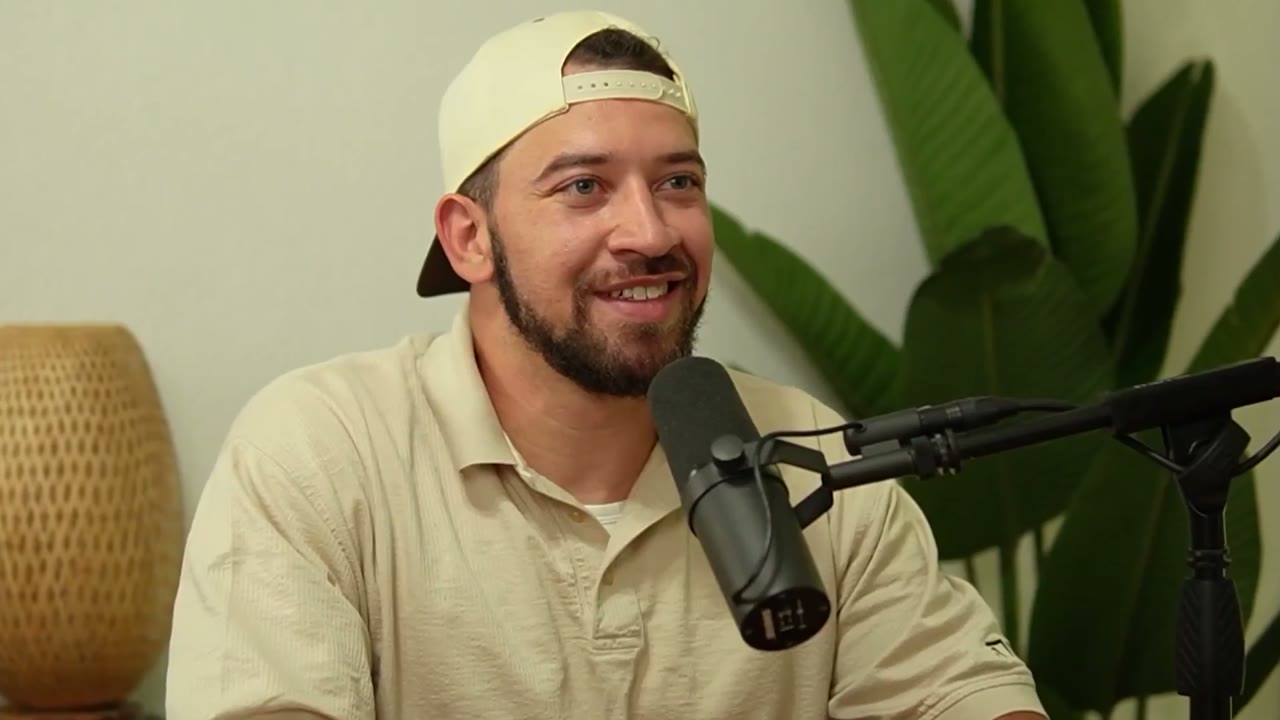
Original photography
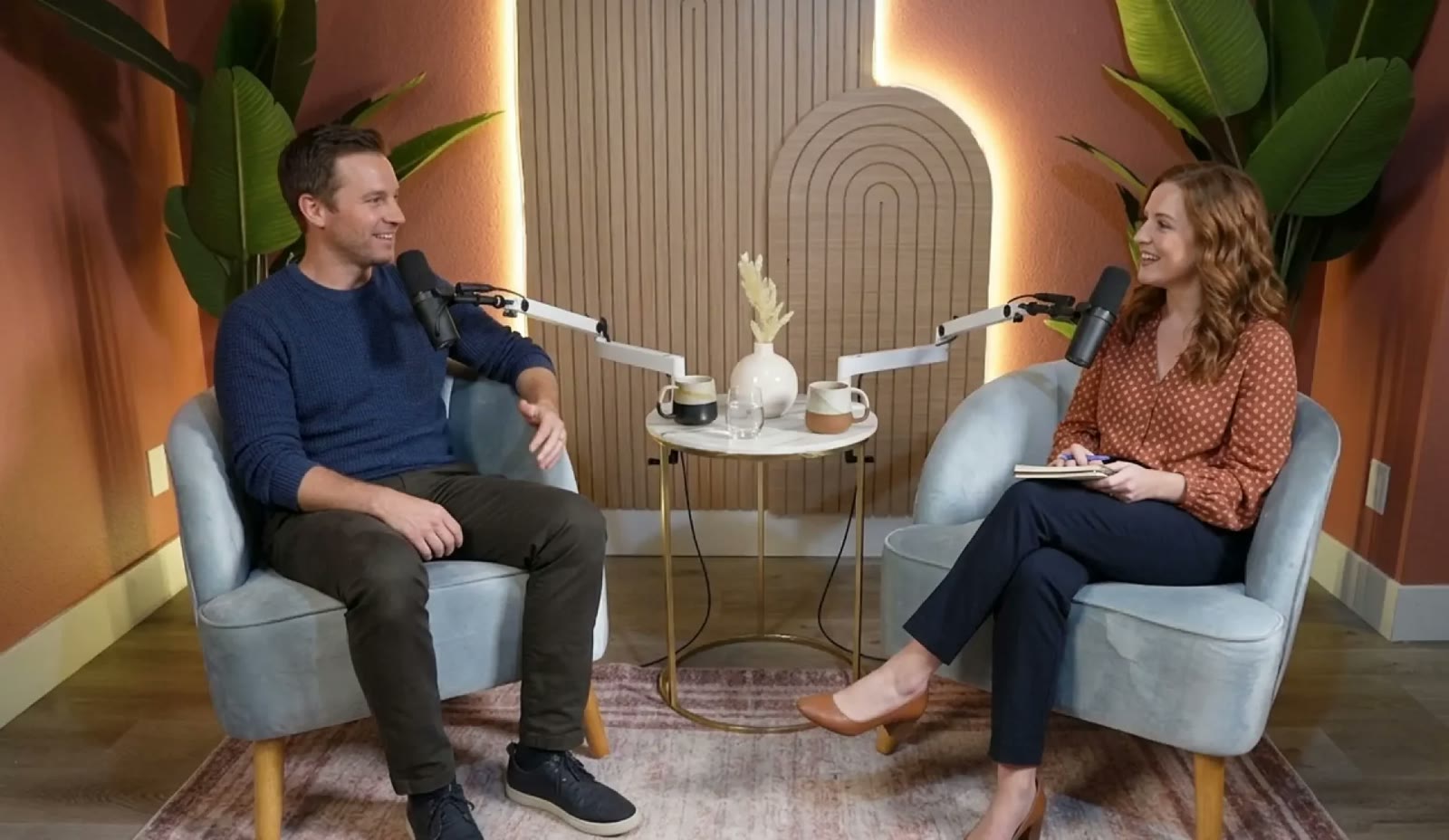
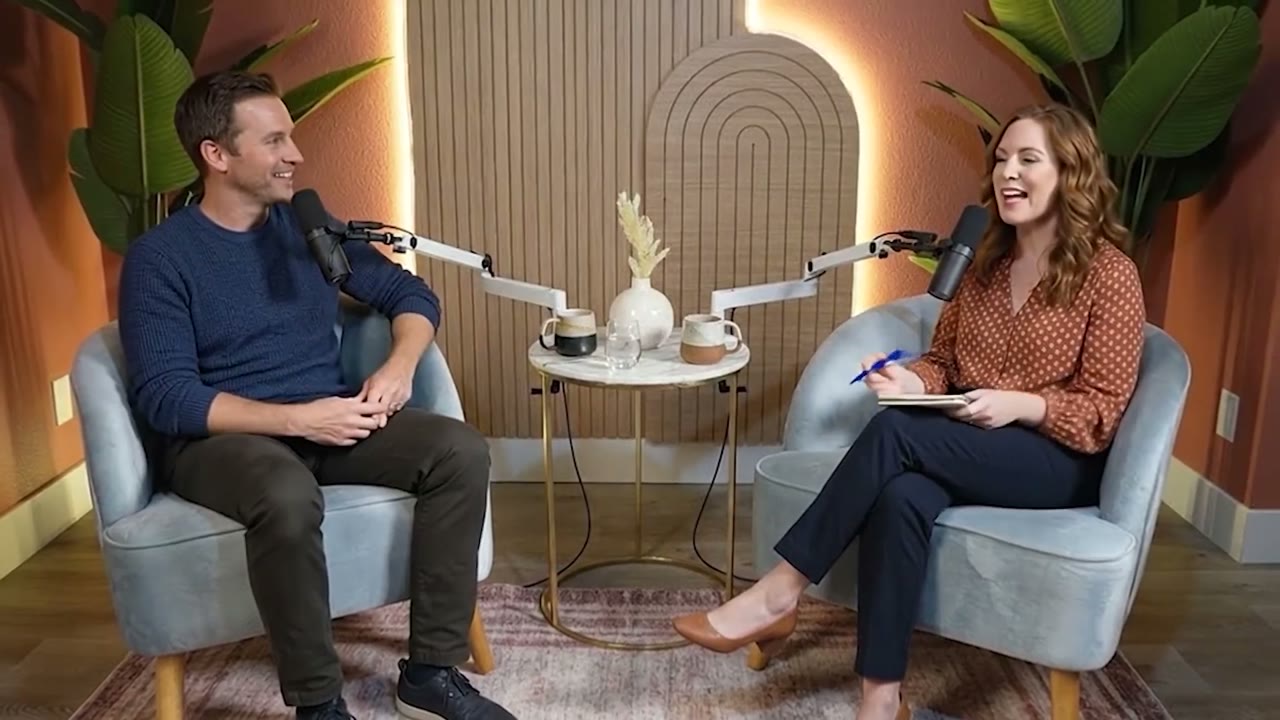
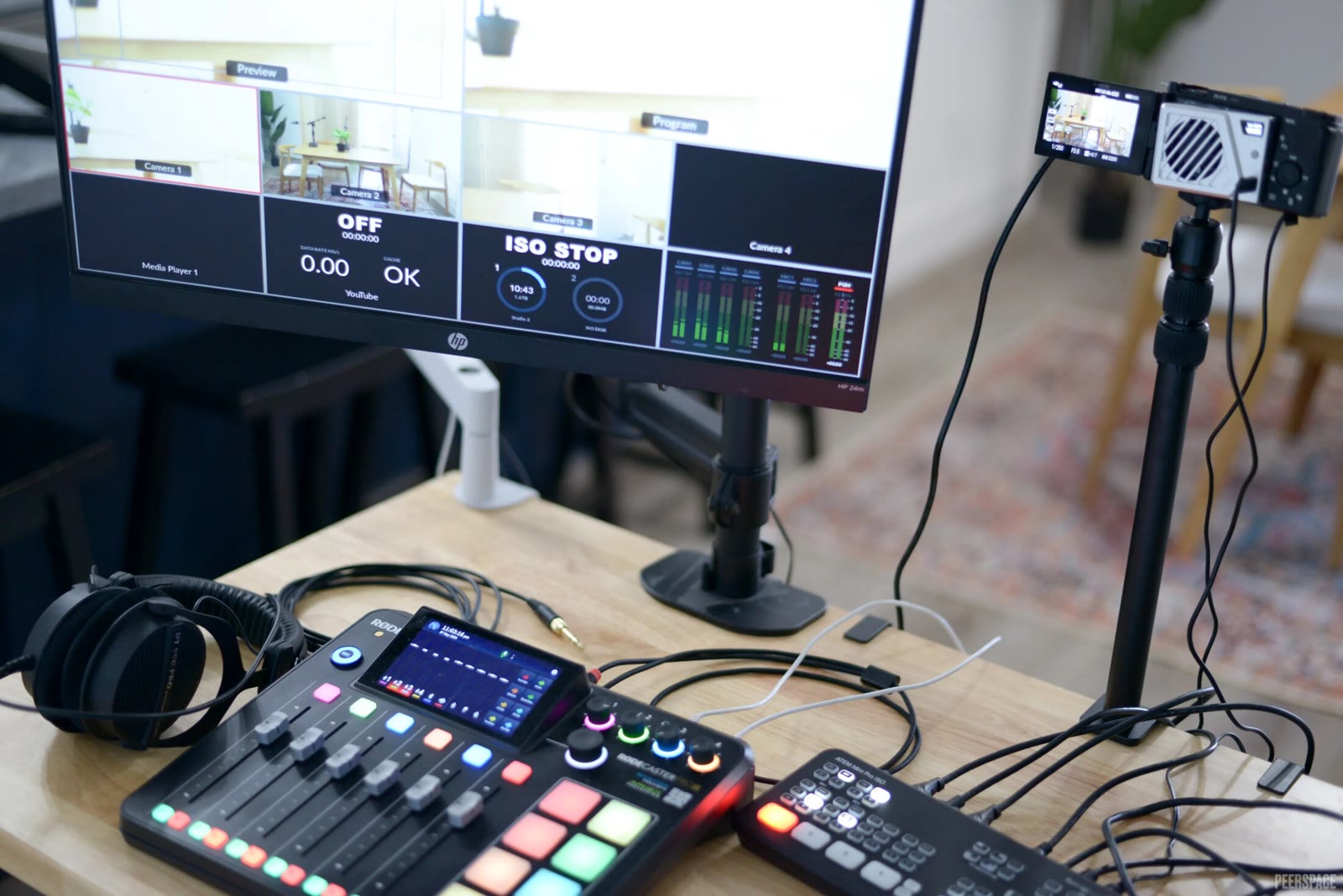
Compare camera angles, visible objects, and working environments through original studio photographs. These editorial views provide capture context; wearable-camera requirements are defined in your project brief.
Real source photographs and video frames. Editorial examples; dataset availability and permitted uses are reviewed separately.View sources & full gallery →
Dataset solutions
Sourcing option
Scope complete activities, temporal context, and viewpoint coverage for egocentric perception.

Sourcing option
Define visibility, contact, object state, and action labels around practical manipulation.
Sourcing option
Plan process recordings around real steps, permitted capture areas, and visible outcomes.
Sourcing option
Source contextual first-person sequences for event retrieval, ordering, and evidence-based answers.
Sourcing option
Build a reviewable benchmark around unseen scenes, difficult views, and explicit answer rules.
Category context
Preparation, assembly, tidying, and other task sequences. Describe the actions and environments you want represented, including the moments between major steps.
Grasping, tool use, handoffs, and manipulation viewed from the participant. Specify whether hands, contacted objects, and task outcomes must remain visible.
First-person recordings of practical processes. Identify permitted environments, participant requirements, sensitive areas, and the kind of documentation your project needs.
Why the details matter
An egocentric dataset records an activity from the participant’s point of view. A useful sourcing brief goes beyond hours of footage: it defines the task, camera position, visible interactions, and conditions the model must learn to handle. Data Egocentric is a Fiund sourcing site for teams exploring this category.
Explore quality & provenance →Specification essentials
Technical scope
Head-mounted, chest-mounted, or another participant-centered view; describe acceptable camera movement.
Action list, sequence length, successful and unsuccessful attempts, and variation between participants.
Resolution, frame rate, field of view, audio policy, and any requirements for time alignment.
Action boundaries, object references, task descriptions, and the level of detail needed for evaluation.
Real recordings
Watch short excerpts from our production work. These are studio camera recordings; an egocentric collection requires its own participant viewpoint and task specification.
Recorded conversations at Podcast Studio AZ · 14 seconds · silent editorial clip.
Jaeden’s original Riverside recording · 15 seconds · silent editorial clip.
Jaeden’s original Riverside recording · 15 seconds · silent editorial clip.
How sourcing works
An egocentric dataset records an activity from the participant’s point of view. A useful sourcing brief goes beyond hours of footage: it defines the task, camera position, visible interactions, and conditions the model must learn to handle. Data Egocentric is a Fiund sourcing site for teams exploring this category.
Tasks and environments; Camera placement and visibility; Target hours or sequences; Annotations and intended model use; Rights requirements and timeline. These details establish the project’s review criteria and reveal where further clarification is needed.
Discuss which existing sources or collection approaches could address the brief. Identify access constraints, source documentation, and unanswered permission questions before treating a category as usable inventory.
Where appropriate material can be shared, agree on handling and inspect it against the specification. Record defects, coverage gaps, and annotation questions against exact source identifiers.
Confirm the selected material, intended uses, preparation work, acceptance criteria, commercial terms, and delivery arrangements in a project-specific agreement.
Check file references, manifests, documented processing, and accepted exceptions. Keep permission review and technical acceptance explicit, and resolve open issues before the collection is treated as approved for the intended use.
Field notes
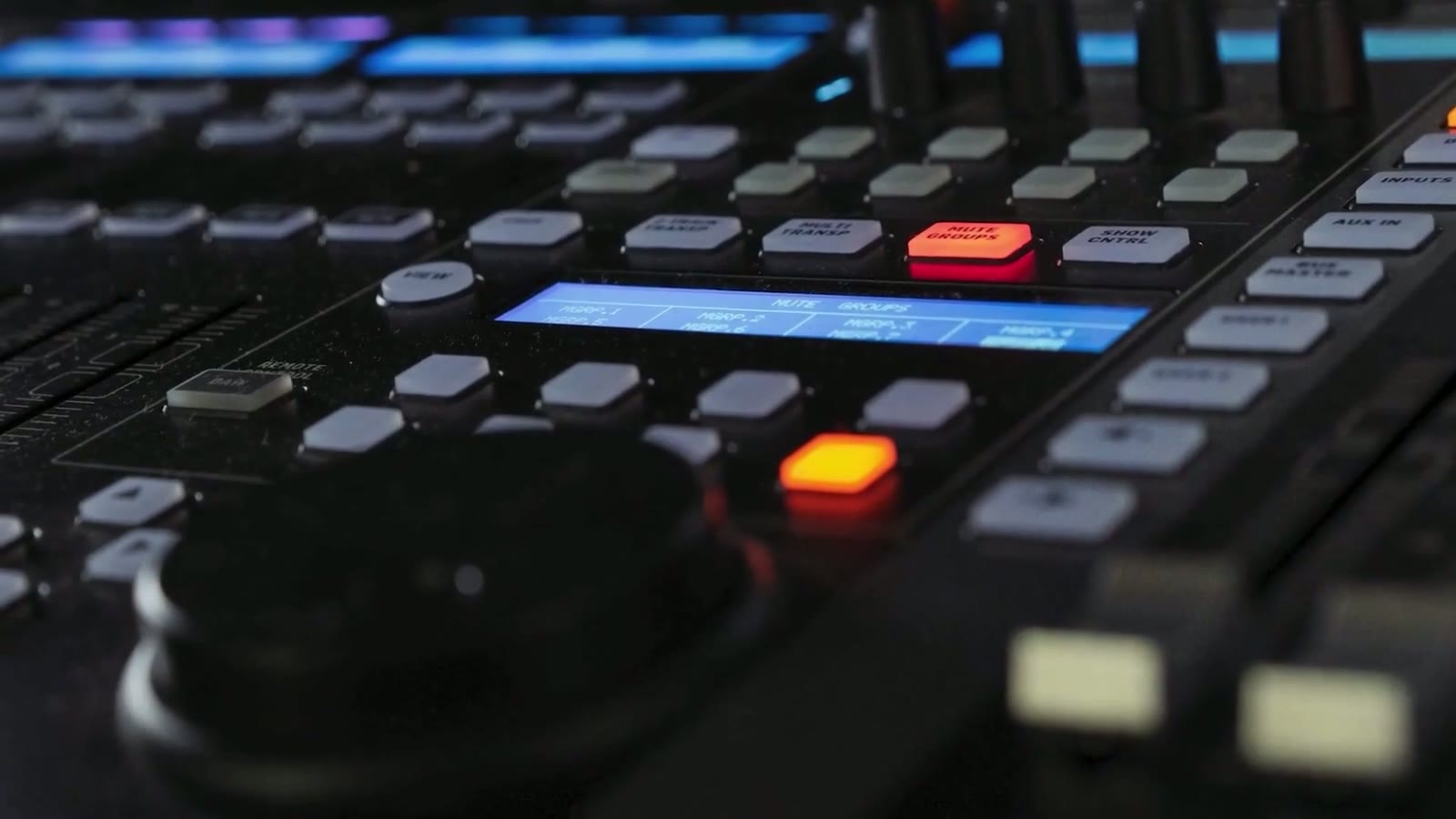
Resource guide
Compare viewpoints using the actions and evidence your model needs.
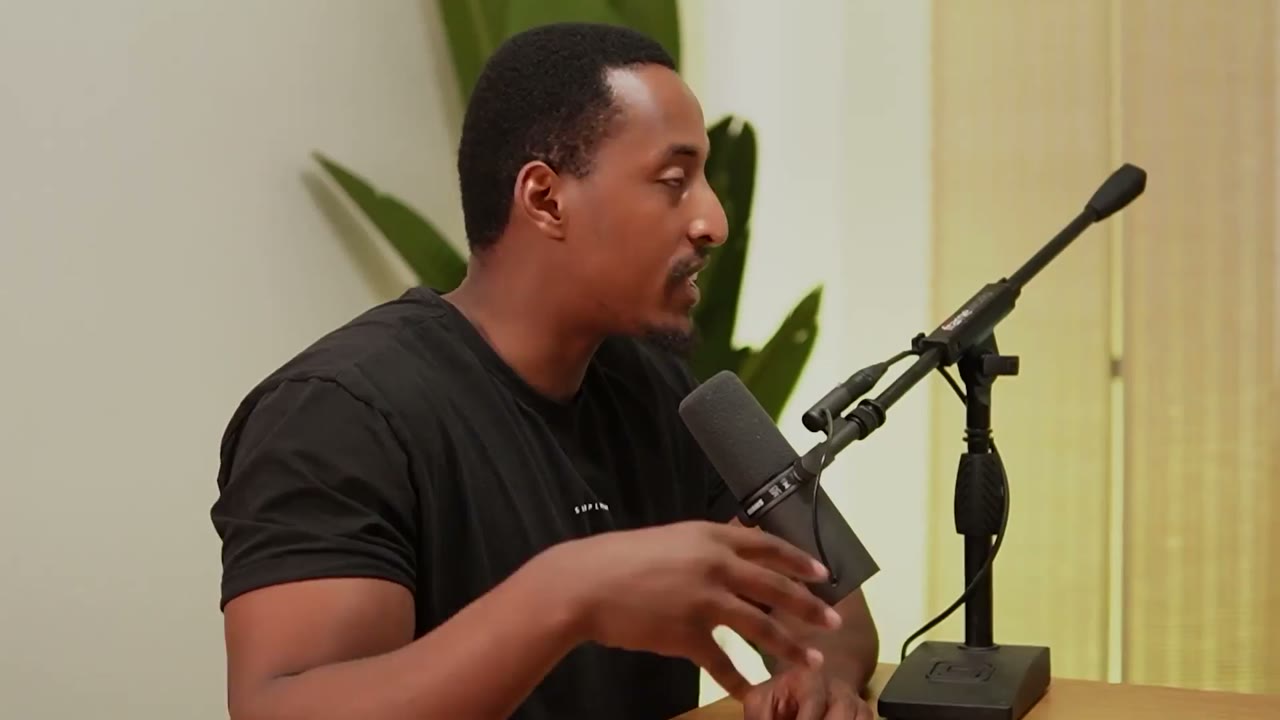
Resource guide
Turn “hands visible” into an annotation and acceptance policy.
Resource guide
Preserve preparation, transitions, and outcomes when scoping first-person recordings.
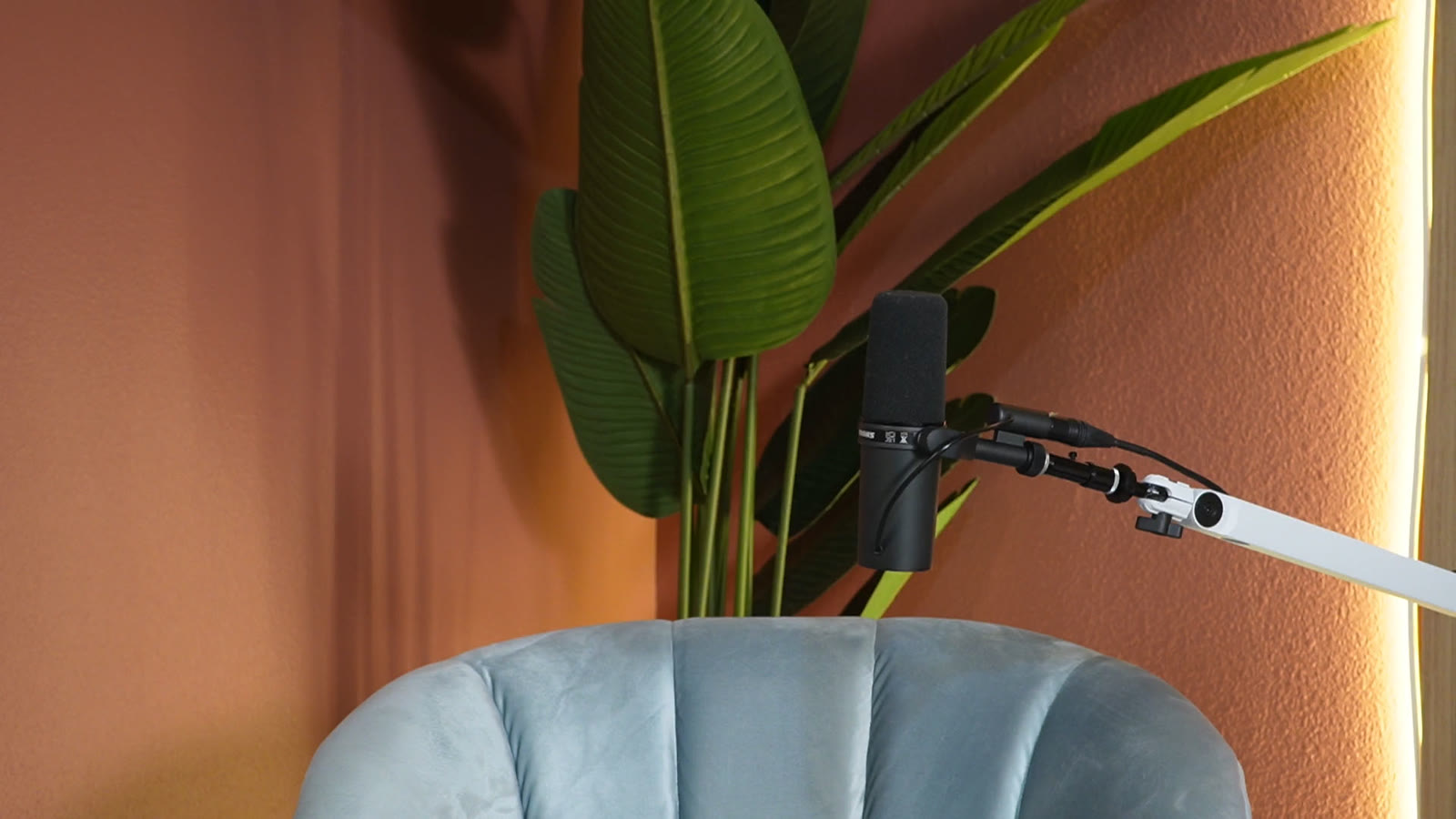
Resource guide
Connect process coverage to recording boundaries and practical sample review.
Resource guide
Choose labels that distinguish actions without overinterpreting the view.
Resource guide
Make action starts, ends, and overlaps reviewable.
Common questions
No. A participant’s camera can show a human performing a task without recording robot actions or control signals. Tell us if you need synchronized robot state, action data, or other sensors; video alone should not be treated as a substitute.
Yes, include it in your inquiry. Fiund will review sourcing feasibility, access, participant permissions, and capture constraints before discussing a suitable collection.
This site is a sourcing inquiry point. Availability, samples, permitted uses, and delivery details are established for the specific project, rather than promised by the category page.
Your project, in focus
Speak directly with Jaeden Schafer at Fiund about the source material, specifications, and review your project needs.
jaeden@fiund.comSource fit, permissions, samples, pricing, and delivery are reviewed for the individual project.
Start with these details